Your Trade
Command Center
Classify products, calculate landed costs, research customs requirements, draft documents, and explore tariff-engineering opportunities in one workspace.
See the Platform in Action
AI-assisted classification, landed cost estimates, customs-document drafts, and trade intelligence in one reviewable workspace.
Core trade workflows in one workspace
Connected tools for importers, exporters, and trade-compliance teams.
AI-assisted customs research
Research classification questions and customs requirements across supported markets by text or, where available, voice.
Duty and landed-cost estimates
Estimate product duties, applicable tariff layers, entry fees, and landed subtotals using current tariff data.
Customs-document drafting
Create review-ready drafts from product and company data, then complete and validate them before use.
Trade Intelligence
Bring product context together with customs rulings, regulatory updates, and research workflows.
Example engineering workspace
Product design review
Garment Configurator
Adjust design attributes to see how they affect HTS classification and duty rates.
Fiber content
100%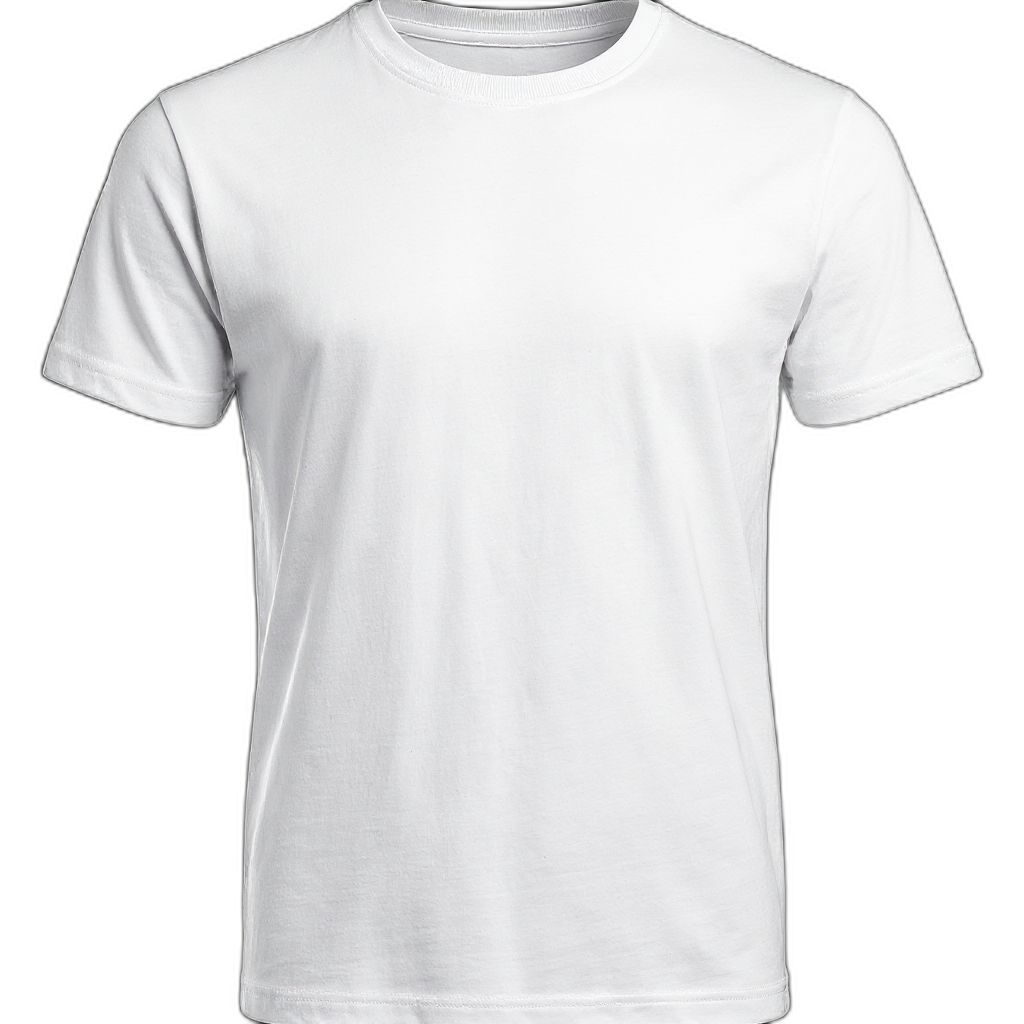 Crew neckShort sleeveKnit · hemmed
Classification Summary
6109
T-shirts, singlets and other vests, knitted
- Chief-weight fiber
- Cotton
- Garment
- Women’s T-shirt
- Construction
- Knit

Optimization review
Suggestions for this configuration
Fiber-content thresholds
Compare chief-weight classification paths before finalizing the blend.
Construction details
Confirm neckline, pockets, and hem treatment against the supporting logic.
Example configuration only. Final classification depends on the complete product facts and applicable measures.
Tariff engineering
Explore tariff implications before you lock the design
Adjust the materials, construction, dimensions, value, and origin that drive classification. Compare the resulting HTS and duty paths, then review contextual optimization strategies before changing a product specification.
- Industry-specific product configurators
- Classification and duty impact update with the inputs
- Optimization strategies with supporting logic and available rulings
A clear path from product data to review
Start with what you know, then add evidence and calculation detail.
Create a workspace
Set up an account and organize the products your team reviews.
Add product context
Upload a catalog or enter the descriptions and codes you already have.
Research and review
Check classifications, estimate duties, and prepare documents for human review.
Built to support review, not replace judgment
Classification and duty treatment depend on product facts, origin, timing, and the legal measures in effect.
Current data
Use versioned tariff data and applicable Chapter 99 layers as the basis for estimates.
Visible assumptions
Keep product facts, origin, and calculation inputs available for review.
Human confirmation
Validate classifications, eligibility, and filing decisions with qualified reviewers.